
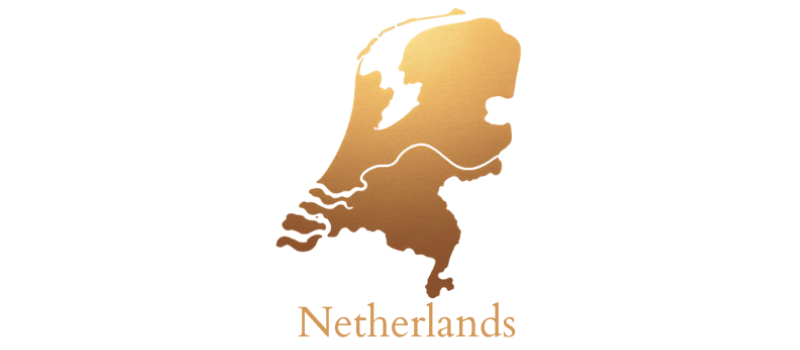

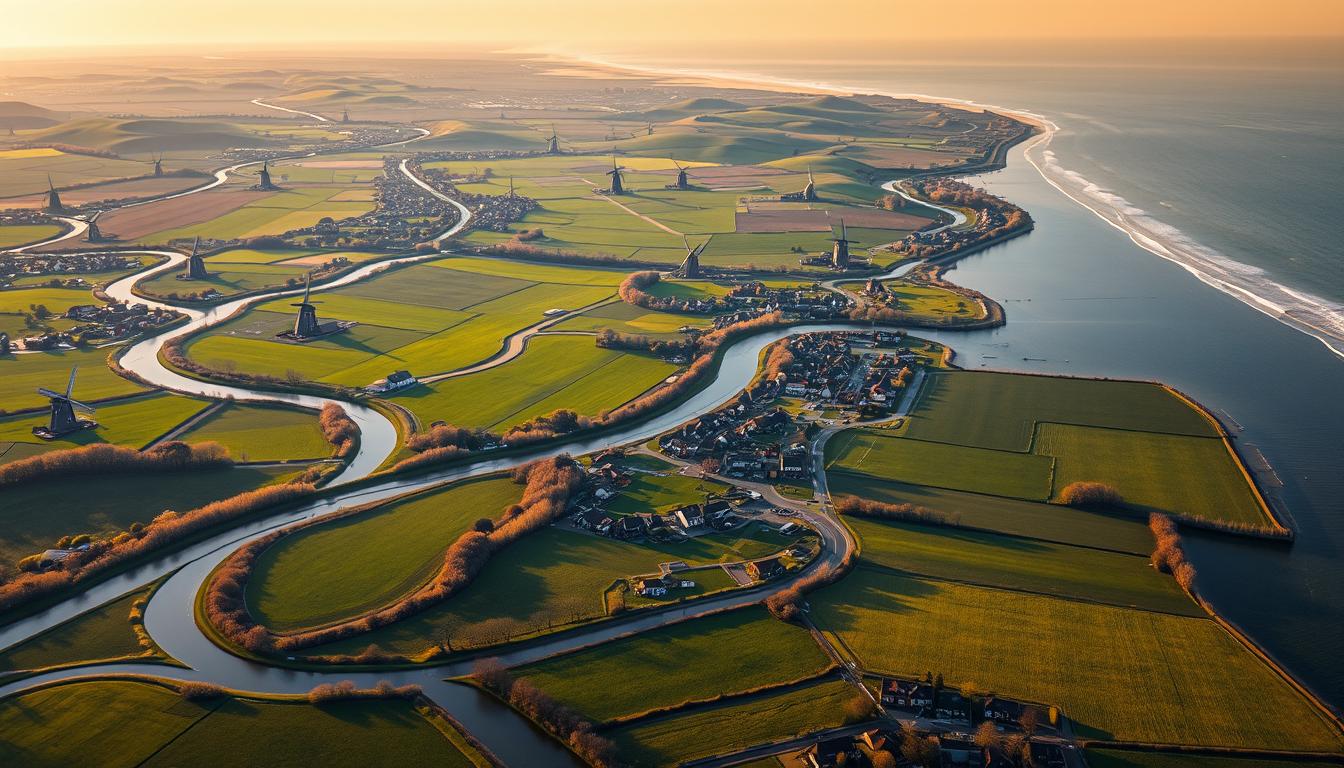
Discover the charm of Northwestern Europe’s gem, a country renowned for its rich history, vibrant culture, and breathtaking landscapes. The Netherlands, a haven for art lovers and history enthusiasts, boasts an intricate geography that has shaped its population, economy, and cultural heritage.
This comprehensive guide offers insights into various aspects of the country, from its geography and population to its economy and cultural heritage. Readers can expect to learn about the Netherlands’ unique features, including its iconic windmills, canals, and vibrant cities.
Key Takeaways
- Overview of the Netherlands’ geography and population
- Insights into the country’s economy and cultural heritage
- Key facts about the Netherlands’ history and culture
- Data on the country’s demographics and urbanization
- Information on the Netherlands’ iconic landmarks and tourist attractions
The Netherlands at a Glance
The Netherlands, a country nestled in Northwestern Europe, is known for its rich history and vibrant culture. Strategically located near major European waterways, it has become a significant player in global trade and diplomacy.
Geographic Position in Europe
The Netherlands is situated in Northwestern Europe, bordered by Germany to the east, Belgium to the south, and the North Sea to the northwest. Its strategic location near major European waterways, such as the Rhine River, has made it a crucial hub for international trade.
Key Statistics Overview
The Netherlands boasts a population of approximately 17.5 million people, with a GDP per capita that ranks among the highest globally. Key statistics include:
- Population: 17.5 million
- GDP per capita: $57,471 (2021 est.)
- Unemployment rate: 3.2% (2021 est.)
Why the Netherlands Matters Globally
The Netherlands plays a significant role in global affairs, particularly in international trade, diplomacy, and culture. Some of its global contributions include:
- Hosting major international organizations, such as the International Court of Justice
- Being a leading exporter of goods, including machinery, chemicals, and food products
- Promoting cultural exchange through its rich artistic heritage and vibrant cities
The Netherlands Maps & Facts: Essential Geographic Data
With its unique topography and significant land reclamation efforts, the Netherlands is a compelling subject for geographic analysis. The country’s diverse landscapes and innovative water management systems make it an interesting case study.
Topographical Features and Landscapes
The Netherlands is characterized by its low-lying topography, with much of its land below sea level. The country’s landscape is diverse, featuring sandy dunes along the coast, fertile river plains, and marshy wetlands. The highest point, Vaalserberg, reaches only 322 meters above sea level.
Administrative Divisions and Provinces
The Netherlands is divided into 12 provinces, each with its own administrative capital. These provinces are:
- Groningen
- Friesland
- Drenthe
- Overijssel
- Flevoland
- Gelderland
- Utrecht
- North Holland
- South Holland
- Zeeland
- North Brabant
- Limburg
Each province has its unique character and contributes to the country’s overall diversity.
Land Reclamation and Polders
The Netherlands is renowned for its land reclamation efforts, having transformed areas once underwater into habitable land. This is achieved through the creation of polders, areas of land surrounded by dikes. The process involves draining water from these areas, making them suitable for agriculture and habitation.
The Impressive Delta Works
The Delta Works is a series of construction projects designed to protect the Netherlands from the sea. This impressive system of dams, sluices, and storm surge barriers safeguards the country’s low-lying areas from flooding.
Flevoland: Land Created from Sea
Flevoland is a province that was largely reclaimed from the sea in the 20th century. This innovative project demonstrates the Netherlands’ expertise in hydraulic engineering and land reclamation.
Population and Demographics of the Dutch Nation
The population of the Netherlands is a fascinating mix of native Dutch and international communities. With a total population of over 17 million people, the country has a high population density, making it one of the most densely populated countries in the world.
Population Distribution and Density
The Netherlands has a population density of approximately 413 people per square kilometer. This density is not evenly distributed, with the Randstad region being the most densely populated area. The Randstad, which includes major cities like Amsterdam, Rotterdam, and Utrecht, is the economic and cultural heart of the Netherlands.
Major Cities and Urban Centers
The Netherlands is home to several vibrant cities, each with its unique character. Amsterdam, the capital city, is known for its canals, historic architecture, and cultural attractions. Rotterdam, on the other hand, is famous for its modern architecture and bustling port. Other major cities include Utrecht, The Hague, and Eindhoven, each contributing to the country’s rich urban landscape.
Ethnic and Cultural Diversity
The Netherlands has a long history of immigration, which has resulted in a multicultural society. The country is home to people from various ethnic backgrounds, including those from Suriname, the Dutch Caribbean, and other parts of the world. This diversity is reflected in the country’s cuisine, festivals, and cultural events, making the Netherlands a vibrant and inclusive society.
Political System and Governance
The Netherlands operates under a unique political framework that blends monarchical and democratic elements. This system has been in place for centuries, providing stability and continuity to the country.
Monarch’s Role
The Dutch monarch serves as the head of state, but their powers are limited by the constitution. The monarch’s primary role is to represent the nation and to sign laws passed by parliament, although this is typically a formal procedure.
“The monarch’s role is largely ceremonial, with most executive powers resting with the Council of Ministers.”
Parliamentary Structure
The Netherlands has a bicameral parliament, consisting of the House of Representatives (Tweede Kamer) and the Senate (Eerste Kamer). The House of Representatives is directly elected by the people, while the Senate is elected by the provincial councils.
| Chamber | Election Method | Number of Seats |
|---|---|---|
| House of Representatives | Directly Elected | 150 |
| Senate | Elected by Provincial Councils | 75 |
Local Governance
Local government in the Netherlands is organized into municipalities and provinces. Municipalities are responsible for a range of services, including education, healthcare, and infrastructure, while provinces oversee regional issues.
Economic Landscape and Business Environment
The Netherlands boasts a robust economy, driven by diverse industries and strategic trade partnerships. Its highly developed financial infrastructure and favorable business climate make it an attractive destination for international investors.
Key Industries and Exports
The Netherlands has a strong presence in several key industries that contribute significantly to its economy.
Agriculture and Flower Industry
The Netherlands is renowned for its agricultural sector, particularly in the production and export of flowers and bulbs. The country’s advanced horticulture practices and favorable climate make it a global leader in this industry.
Port of Rotterdam and Logistics
The Port of Rotterdam is one of the world’s busiest ports, playing a crucial role in the Netherlands’ economy. It serves as a major hub for international trade and logistics, facilitating the efficient movement of goods.
Innovation and Technology Sectors
The Netherlands is also a hub for innovation and technology, with a strong focus on research and development. The country is home to numerous startups and established companies in the tech sector, driving advancements in various fields.
Trade Relations with the United States
The Netherlands enjoys a significant trade relationship with the United States, with both countries benefiting from bilateral trade agreements. The Netherlands is one of the largest European investors in the U.S., and the U.S. is a major trading partner for the Netherlands.
Dutch Society and Quality of Life
The Dutch have mastered the art of living well, thanks to their progressive social policies, excellent education system, and a culture that values work-life balance. This harmonious blend contributes significantly to the Netherlands’ high quality of life, making it an attractive place to live, work, and study.
Social Policies and Healthcare System
The Netherlands boasts a comprehensive healthcare system that is both highly rated and mandatory for all citizens. The system is characterized by its universal coverage, ensuring that everyone has access to necessary medical care. The Dutch healthcare system is funded through a combination of private insurance companies and government subsidies, making it a unique model that balances competition with social welfare.
“The Netherlands has one of the best healthcare systems in the world, known for its accessibility and quality of care.”
Education and Research Excellence
Education is highly valued in Dutch society, with a strong emphasis on research and innovation. The Netherlands is home to several world-class universities and research institutions, attracting international talent and fostering a culture of academic excellence. The education system is designed to be inclusive and flexible, offering a range of programs that cater to different needs and interests.
| University | Rank | Specialization |
|---|---|---|
| Delft University of Technology | Top 100 Globally | Engineering, Technology |
| University of Amsterdam | Top 100 Globally | Social Sciences, Humanities |
| Eindhoven University of Technology | Top 200 Globally | Technology, Innovation |
Work-Life Balance and Happiness Metrics
The Netherlands consistently ranks high in happiness metrics, largely due to its culture that prioritizes work-life balance. The Dutch work culture is characterized by flexible working hours, generous vacation policies, and a strong emphasis on leisure time. This balance contributes to the overall well-being and happiness of the Dutch population.

The combination of progressive social policies, a robust education system, and a culture that values work-life balance makes the Netherlands a unique and desirable place to live. These factors not only contribute to the high quality of life but also to the overall happiness and well-being of its citizens.
Historical Development and Cultural Heritage
With a history dating back to the 16th century, the Netherlands has evolved significantly, shaped by its strategic location and the resilience of its people. The country’s historical development is a fascinating story of transformation from a loose confederation of city-states to a unified, modern nation.
From Dutch Republic to Modern Nation
The Netherlands originated as the Dutch Republic in the 16th century, a period marked by its struggle for independence from Spain. This era laid the foundation for the country’s future prosperity and its emergence as a significant player in global trade. The transition to a modern nation involved various reforms and adaptations, ultimately leading to the constitutional monarchy we see today.
Colonial History and Global Influence
The Netherlands had a profound colonial history, with its influence extending to various parts of the world, including Asia, Africa, and the Americas. This colonial past has left a lasting legacy on the country’s culture, economy, and global relations. The Dutch East India Company, established in 1602, played a pivotal role in the Netherlands’ colonial expansion and trade dominance.
| Year | Event | Significance |
|---|---|---|
| 1602 | Establishment of the Dutch East India Company | Marked the beginning of Dutch colonial expansion and trade |
| 1648 | Treaty of Münster | Recognized the independence of the Netherlands from Spain |
| 1815 | Congress of Vienna | Established the Kingdom of the Netherlands |
Cultural Icons and Traditions
Dutch culture is rich in icons and traditions that reflect its history and values. From the renowned Dutch Masters in art to the vibrant festivals and celebrations that take place throughout the year, the Netherlands offers a unique cultural experience.
Dutch Masters in Art
The Netherlands is famous for its contributions to the art world, particularly through the works of the Dutch Masters, such as Rembrandt van Rijn and Johannes Vermeer. Their paintings continue to inspire and influence artists around the world.
Festivals and Celebrations
The Netherlands celebrates various festivals throughout the year, including King’s Day and the Holland Festival. These events showcase the country’s vibrant culture and provide opportunities for both locals and visitors to come together and celebrate.
“The Netherlands is a country with a rich history and a vibrant culture, where tradition and modernity blend seamlessly together.”
Environmental Challenges and Solutions
As a nation below sea level, the Netherlands is on the frontline of climate change, necessitating robust environmental strategies. The country’s unique geography makes it particularly vulnerable to rising sea levels and extreme weather events.
Climate Change and Sea Level Rise
The Netherlands is experiencing the impacts of climate change firsthand, with rising sea levels and more frequent flooding. To mitigate these effects, the Dutch government has implemented advanced flood protection measures, including the renowned Delta Programme.
Sustainable Development Initiatives
The Netherlands is committed to sustainable development, with a strong focus on reducing greenhouse gas emissions and promoting renewable energy. The country’s sustainable development initiatives include investing in wind energy, improving energy efficiency, and promoting eco-friendly practices.
| Sustainable Development Initiative | Description | Target |
|---|---|---|
| Wind Energy Investment | Increase wind energy production to reduce reliance on fossil fuels | 50% of total energy production by 2030 |
| Energy Efficiency | Improve energy efficiency in buildings and industries | 30% reduction in energy consumption by 2030 |
Cycling Culture and Green Transportation
The Netherlands is famous for its cycling culture, with over 22,000 km of bike paths and a strong emphasis on green transportation. Cycling is not only a popular mode of transport but also a key component of the country’s sustainable mobility strategy.
Bicycle Infrastructure
The Netherlands boasts an extensive network of bicycle-friendly roads and infrastructure, making cycling a safe and convenient option for commuters.
Impact on Urban Planning
The cycling culture has significantly influenced urban planning in the Netherlands, with cities designed to prioritize cyclist safety and accessibility.

Tourism Highlights and Visitor Information
From its charming canals to its world-class museums, the Netherlands offers a diverse array of attractions that cater to all kinds of travelers.
Must-Visit Destinations
The Netherlands is home to numerous iconic destinations that attract millions of visitors each year.
Amsterdam’s Canals and Museums
Amsterdam’s picturesque canals and rich cultural heritage make it a must-visit. The Rijksmuseum and the Van Gogh Museum are among the city’s top attractions.
Beyond the Capital: Hidden Gems
Beyond Amsterdam, the Netherlands has much to offer, including the historic city of Leiden, the windmills of Kinderdijk, and the vibrant cultural scene in Utrecht.
Cultural Attractions and Experiences
The Netherlands is renowned for its cultural attractions, from its historic architecture to its lively festivals. Visitors can enjoy the country’s rich heritage by exploring its many museums, attending cultural events, or simply soaking up the atmosphere in its charming towns.
Travel Tips for American Visitors
For American travelers, visiting the Netherlands can be a straightforward and enjoyable experience. Here are some practical tips:
- Ensure your passport is valid for at least six months beyond your planned departure date.
- Familiarize yourself with local customs and practices.
- Consider purchasing an I Amsterdam City Card for free entry to many attractions.
| Attraction | Location | Best Time to Visit |
|---|---|---|
| Rijksmuseum | Amsterdam | Morning |
| Van Gogh Museum | Amsterdam | Afternoon |
| Kinderdijk Windmills | Kinderdijk | Late Afternoon |
The Netherlands in the Global Context: Future Outlook
The Netherlands is poised to continue playing a significant role in global affairs, driven by its strong economy, commitment to international cooperation, and proactive stance on pressing global issues. The country’s Netherlands global role is characterized by its active participation in international organizations and its leadership in areas such as climate change mitigation and sustainable development.
As the world grapples with complex challenges, the Netherlands future outlook remains positive, with a focus on innovation, trade, and diplomacy. The Netherlands international relations are built on a foundation of cooperation, with strong ties to countries in Europe and beyond. The Dutch government is committed to fostering global partnerships, promoting peace and stability, and addressing global challenges through multilateralism.
In the years to come, the Netherlands is likely to remain a key player in shaping global policies, particularly in areas such as climate change, sustainable development, and human rights. The country’s commitment to these issues is reflected in its ambitious climate policies and its leadership in international forums.


