Nigeria Tax
Tax Audit Triggers in Nigeria for SMEs (2026 Guide to Avoid FIRS Red Flags)
A practical 2026 guide to the most common tax audit triggers for Nigerian SMEs, how to reduce FIRS red flags, and how to stay compliant even when CIT is zero.
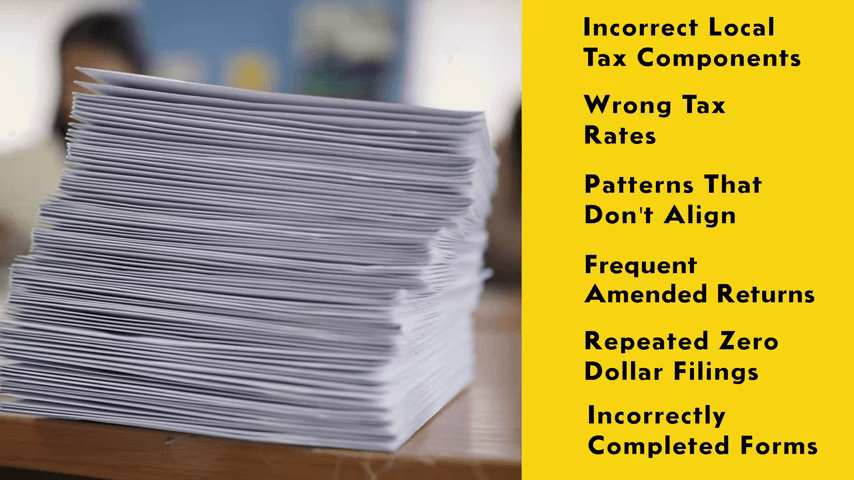
Many small business owners in Nigeria believe tax audits only happen to large corporations. That’s a costly mistake.
In reality, SMEs are frequently audited, often because of simple compliance errors rather than fraud.
If you’re trying to:
- legally pay zero tax
- stay compliant
- avoid penalties
Then understanding what triggers a tax audit is essential.
For statutory direction, start with FIRS and keep your registration details current with CAC.
What Is a Tax Audit in Nigeria?
A tax audit is a review of your financial and tax records by authorities to verify:
- accuracy of declared income
- compliance with tax laws
- correctness of tax payments
Even if your Company Income Tax (CIT) is zero, your business can still be audited.
Why SMEs Are Frequently Audited
Small businesses are often targeted because:
- record-keeping is weaker
- compliance is inconsistent
- errors are more common
Many audits are triggered automatically by patterns rather than manual selection.
Top Tax Audit Triggers in Nigeria (SMEs Must Know)
1. Inconsistent Tax Filings
If your filings:
- change drastically year-to-year
- don’t match your financial activity
This raises immediate red flags.
2. Declaring Very Low Income Repeatedly
If your business reports:
- consistently low revenue
- especially near tax exemption thresholds
Authorities may suspect underreporting or manipulation.
3. Failure to File Tax Returns
Even if your tax is zero:
- not filing returns is non-compliance
- it triggers automatic attention
This is one of the most common SME mistakes.
4. Sudden Revenue Spikes or Drops
Unusual changes such as:
- revenue jumping significantly
- or dropping sharply without explanation
can trigger an audit review.
5. Poor or Missing Documentation
If you cannot provide:
- invoices
- receipts
- bank statements
your declared figures lose credibility.
6. Mismatch Between Bank Activity and Declared Income
Authorities may compare:
- bank inflows
- declared revenue
If they don’t align, audit risk increases significantly.
7. Industry-Based Targeting
Some industries are audited more often, such as:
- cash-heavy businesses
- consulting/services
- import/export
Businesses in these sectors should be especially careful.
8. VAT Irregularities
Common issues include:
- charging VAT but not remitting
- inconsistent VAT filings
VAT errors are a major trigger.
9. Employee Tax (PAYE) Issues
If you:
- have employees
- but do not remit PAYE properly
this can trigger investigation.
10. Random Risk Profiling
Not all audits are triggered by mistakes.
Some are:
- random
- based on automated risk models
This is why full compliance is necessary.
Can You Be Audited If You Pay Zero Tax?
Yes.
Even if:
- your Company Income Tax is 0%
You are still required to:
- file returns
- maintain records
- comply with regulations
Zero tax does not mean zero scrutiny.
How to Reduce Your Tax Audit Risk
1. File Returns Consistently
- Never skip filings
- Maintain accurate declarations
2. Keep Clean Financial Records
- Separate business and personal finances
- Use proper bookkeeping
3. Avoid Artificial Revenue Manipulation
Trying to stay under thresholds artificially increases audit risk.
4. Maintain Transparency
- Declare real income
- avoid inconsistencies
5. Stay VAT and PAYE Compliant
- remit on time
- file correctly
Use FIRS VAT guidance and FIRS PIT guidance for current administrative details.
Real Example (SME Audit Scenario)
Business A:
- Declares revenue just below exemption threshold
- Maintains poor documentation
Result:
Flagged for audit
Business B:
- Declares moderate, consistent revenue
- Keeps proper records
Result:
Lower audit risk
Consistency and documentation are key.
Relationship Between Zero Tax and Audit Risk
If you are trying to legally pay zero tax, you must be more careful.
Because:
- staying near exemption thresholds
- attracts more scrutiny
This is where many SMEs make mistakes.
Warning Signs You Might Be Flagged
- failure to file returns
- incomplete records
- unusual income patterns
- uncertainty about VAT or PAYE compliance
If any of these apply, your audit risk is already elevated.
For pre-audit preparation, read How to Prepare for a Tax Audit in Nigeria.
Frequently Asked Questions
What is the most common audit trigger in Nigeria?
Inconsistent filings and failure to file returns.
Does low income trigger an audit?
Yes, especially if it appears artificially low.
Can small businesses be audited?
Yes. SMEs are frequently audited.
Is zero tax suspicious?
Not by itself, but poor documentation can make it appear suspicious.
How do I avoid a tax audit?
You cannot guarantee avoidance, but you can reduce risk through compliance.
Final Thoughts
Tax audits are not random. They are often the result of identifiable patterns and behaviors.
If you understand:
- what triggers audits
- how inconsistencies are detected
You can:
- stay compliant
- reduce risk
- operate with confidence
Next Step: Check Your Audit Risk
Most business owners only discover their audit risk too late.
A structured evaluation can help you:
- identify red flags
- fix compliance gaps
- stay within legal limits
Conclusion
Trying to reduce taxes without understanding audit triggers is risky.
But if you:
- follow compliance requirements
- maintain consistent records
- operate transparently
You can:
- legally optimize your tax position
- minimize audit exposure
- build a stable, compliant business
Trigger Analytics Add-On
Audit exposure increases when pattern signals conflict, not merely when one number looks high. Track these side by side:
- declared turnover versus bank inflow velocity
- VAT rhythm versus sales rhythm
- payroll scale versus PAYE remittance pattern
- declared expenses versus documentary depth
If two lines diverge repeatedly, fix upstream records before filing season.
Practical Cross-Linking for Risk Control
Use How to Prepare for a Tax Audit in Nigeria for response mechanics and Desk Audit vs Field Audit in Nigeria to tailor your evidence format.
Primary-Source Anchors
Continue reading
Explore other implementation notes in the blog or return to the tool suite.