
Nigeria Tax
Common Tax Compliance Mistakes SMEs Make in Nigeria (And How to Fix Them)
A practical 2026 guide to the most common tax compliance mistakes Nigerian SMEs make, why they trigger audits, and how to fix them with clear operational controls.
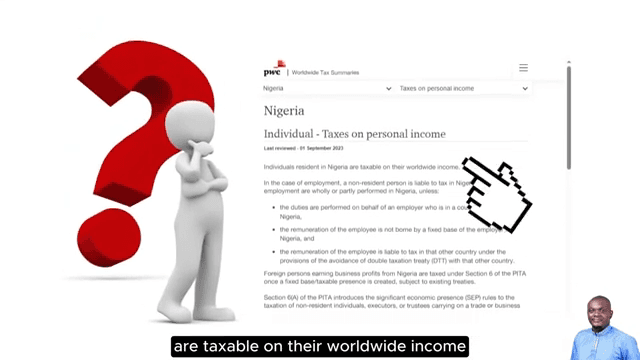
Tax compliance is one of the most misunderstood aspects of running a business in Nigeria. Many small and medium-sized enterprises (SMEs) assume that compliance only matters when taxes are high. In reality, compliance matters even more when businesses are trying to minimize tax exposure or operate within legal exemptions.
A significant number of tax audits, penalties, and business disruptions do not result from deliberate tax evasion. They arise from avoidable compliance mistakes that accumulate over time.
Understanding these mistakes is essential for any business that wants to:
- operate within the law
- reduce audit exposure
- maintain eligibility for tax benefits
- build long-term financial stability
This guide provides a comprehensive breakdown of the most common tax compliance mistakes SMEs make in Nigeria, why they occur, and how to fix them effectively.
For primary guidance, see FIRS and CAC.
What Tax Compliance Means for SMEs in Nigeria
Tax compliance goes beyond paying taxes. It involves meeting all legal obligations related to taxation, including:
- proper business registration
- accurate record keeping
- timely filing of tax returns
- correct calculation of tax liabilities
- adherence to VAT and PAYE requirements
Compliance is a continuous process, not a one-time activity. Businesses that treat compliance as an afterthought often face increased scrutiny from tax authorities.
Why SMEs Struggle with Tax Compliance
Several structural and operational factors contribute to compliance challenges among SMEs:
- limited accounting knowledge
- lack of structured financial systems
- misunderstanding of tax obligations
- assumption that small businesses are not monitored
- focus on short-term survival over long-term compliance
These challenges create an environment where small mistakes compound into serious compliance risks.
Major Tax Compliance Mistakes SMEs Make
1. Failure to File Tax Returns Consistently
One of the most common compliance failures is not filing tax returns at all.
Many SMEs believe that:
- if no tax is payable, filing is unnecessary
This assumption is incorrect.
Even when:
- Company Income Tax is zero
- business activity is minimal
Filing remains mandatory.
Failure to file:
- signals non-compliance
- increases audit probability
- can result in penalties
2. Poor Record Keeping
Accurate records are the foundation of tax compliance.
Common issues include:
- missing receipts
- incomplete invoices
- lack of transaction tracking
- disorganized financial data
Without proper records:
- tax filings cannot be verified
- audit defense becomes weak
Poor documentation is one of the fastest ways to escalate a simple audit into a serious investigation.
3. Mixing Personal and Business Finances
Many SME owners operate without clear separation between personal and business funds.
This leads to:
- inaccurate financial reporting
- difficulty in tracking expenses
- inconsistencies in tax filings
From a compliance perspective, this creates uncertainty about:
- actual business income
- legitimate business expenses
Clear separation is essential for credibility.
4. Misunderstanding Tax Exemptions
Businesses often misunderstand how tax exemptions work.
For example:
- assuming exemption from Company Income Tax means exemption from all taxes
This is incorrect.
Even when CIT is zero:
- VAT obligations may still apply
- PAYE must be remitted for employees
Misinterpretation of exemptions leads to incomplete compliance.
Use FIRS VAT guidance and FIRS PIT guidance while reviewing obligations.
5. Underreporting or Overreporting Income
Inaccurate income reporting is a major compliance issue.
Underreporting:
- may be intentional or accidental
- increases audit risk
Overreporting:
- creates inconsistencies in future filings
- complicates financial analysis
Both scenarios indicate weak financial control systems.
6. Ignoring VAT Obligations
Value Added Tax is often mishandled by SMEs.
Common errors include:
- charging VAT without remitting
- failing to register for VAT
- inconsistent VAT filings
VAT compliance is closely monitored and frequently used as an audit trigger.
7. Failure to Remit PAYE for Employees
Businesses with employees are required to:
- deduct Pay-As-You-Earn (PAYE) tax
- remit it to the appropriate authority
Failure to do so results in:
- penalties
- increased audit risk
- potential legal consequences
This is particularly common in growing SMEs.
8. Late Filing and Late Payment
Even when businesses comply, delays can create problems.
Late filing:
- attracts penalties
- signals weak compliance discipline
Late payment:
- increases financial liability
Timeliness is a critical component of compliance.
9. Lack of Understanding of Tax Obligations
Many SME owners do not fully understand:
- what taxes apply to them
- when to file
- how to calculate liabilities
This knowledge gap leads to:
- unintentional errors
- inconsistent compliance
Education and awareness are essential.
10. Ignoring Audit Warning Signs
Businesses often overlook early indicators of compliance issues, such as:
- repeated filing errors
- inconsistent financial data
- missing documentation
Ignoring these signs increases the likelihood of a full audit.
How These Mistakes Lead to Audits
Tax authorities rely on patterns to identify non-compliant businesses.
Common patterns include:
- inconsistent filings
- abnormal income levels
- gaps in documentation
When these patterns appear:
- businesses are flagged for review
- desk audits may be initiated
- field audits may follow if issues persist
Compliance mistakes are therefore not isolated—they are interconnected signals.
Step-by-Step: How to Fix Tax Compliance Issues
Step 1: Conduct a Compliance Review
Start by assessing your current position:
- Are all returns filed?
- Are records complete?
- Are all taxes properly accounted for?
This provides a baseline for improvement.
Step 2: Organize Financial Records
Ensure that all documents are:
- complete
- accurate
- easily accessible
Implement a system for:
- tracking income
- recording expenses
Step 3: Separate Business and Personal Finances
Open dedicated business accounts and ensure:
- all business transactions are recorded separately
- personal expenses are excluded
This improves clarity and accuracy.
Step 4: Understand Your Tax Obligations
Identify all applicable taxes, including:
- Company Income Tax
- VAT
- PAYE
Understand:
- filing requirements
- deadlines
- calculation methods
Step 5: Implement Consistent Filing Practices
Develop a routine for:
- preparing returns
- submitting them on time
Consistency reduces errors and builds credibility.
Step 6: Address Past Errors
If mistakes are identified:
- correct them promptly
- update records
- ensure future accuracy
Ignoring past errors increases risk.
Step 7: Monitor Compliance Regularly
Compliance should be reviewed periodically to ensure:
- ongoing accuracy
- alignment with regulations
This prevents issues from accumulating.
Real Example (Compliance Failure vs Compliance Control)
Business A:
- inconsistent filings
- poor record keeping
- unclear tax position
Result:
- flagged for audit
- required to provide additional documentation
- faced penalties
Business B:
- structured records
- consistent filings
- clear understanding of obligations
Result:
- low audit risk
- smooth operations
This contrast highlights the importance of structured compliance.
Relationship Between Compliance and Zero Tax Strategy
Businesses aiming to pay zero Company Income Tax must maintain higher compliance standards.
Because:
- low tax positions attract scrutiny
- eligibility must be verified
To sustain zero tax legally:
- records must be accurate
- filings must be consistent
- obligations must be fully met
Compliance is the foundation of any tax optimization strategy.
You can validate assumptions with the Nigeria Zero-Tax Auditor and related workflows in How to Pay Zero Tax in Nigeria Legally.
Warning Signs Your Compliance Is Weak
- missing tax filings
- inconsistent financial data
- lack of proper documentation
- uncertainty about tax obligations
If these signs are present, immediate corrective action is necessary.
Frequently Asked Questions
What is the most common compliance mistake?
Failure to file tax returns consistently.
Can poor compliance lead to audits?
Yes. Compliance issues are a primary audit trigger.
Do SMEs need to comply even with zero tax?
Yes. Compliance is mandatory regardless of tax liability.
How can I improve compliance quickly?
By organizing records, understanding obligations, and filing consistently.
What happens if compliance issues are ignored?
They can lead to audits, penalties, and increased financial risk.
Final Thoughts
Tax compliance is not optional. It is a core component of running a sustainable business in Nigeria.
Most compliance problems are not caused by complexity alone, but by:
- lack of structure
- inconsistent practices
- misunderstanding of obligations
By addressing these issues proactively, businesses can:
- reduce audit exposure
- maintain eligibility for tax benefits
- operate with confidence
Next Step: Strengthen Your Compliance System
Improving compliance requires a structured approach that evaluates:
- current practices
- potential risks
- areas for improvement
A systematic review can help identify gaps and ensure that your business remains aligned with regulatory expectations.
Conclusion
Tax compliance mistakes are common, but they are also preventable.
By understanding:
- what these mistakes are
- why they occur
- how to fix them
Businesses can transform compliance from a risk into a strength.
A disciplined approach to compliance not only reduces tax risk but also supports long-term business growth and stability.
Pattern-Repetition Breaker: Convert Mistakes into Controls
For each recurring mistake in your team, create one permanent control:
- missed filing -> automated deadline ladder
- inconsistent classification -> chart-of-accounts rulebook
- weak evidence -> compulsory document bundle at transaction close
- threshold drift -> monthly turnover alert thresholds
Source-Backed Calibration
Keep your rules aligned with official and technical references:
Case Granularity: One Error, Three Cascades
A company failed to separate personal and business payments for six months. The result was not one issue but three: incorrect expense claims, VAT reconciliation noise, and delayed annual filing. One structural bank-control fix resolved all three in the following quarter.
Continue reading
Explore other implementation notes in the blog or return to the tool suite.