


The Netherlands, a country known for its rich history, vibrant culture, and picturesque landscapes, is divided into 12 distinct provinces. Each province has its unique character, from the bustling cities to the serene countryside.
The division into provinces is not just geographical; it also reflects the country’s administrative and cultural diversity. Understanding the Netherlands’ provinces is essential to appreciating its complexity and beauty.
Key Takeaways
- The Netherlands is divided into 12 provinces, each with its unique identity.
- The provinces vary significantly in terms of culture, history, and geography.
- Understanding the provinces is key to understanding the Netherlands as a whole.
- The provinces play a crucial role in the country’s administrative division.
- The diversity among the provinces contributes to the Netherlands’ rich cultural heritage.
The Netherlands: A Country of Provinces
The Dutch provincial system is an integral part of the country’s national structure. The Netherlands is divided into 12 provinces, each with its unique characteristics and governance. This division plays a crucial role in the country’s administrative and geographical organization.
Geography and National Structure
The Netherlands’ geography is diverse, ranging from coastal areas to inland regions. This diversity is reflected in the provincial divisions, which are designed to accommodate different regional needs.
The country’s national structure is thus closely tied to its geography, with provinces serving as the primary administrative divisions. The Netherlands is a relatively small country, but its provinces vary significantly in terms of population density, economic activities, and cultural heritage.
Provincial System Overview
The Dutch provincial system is a critical component of the country’s governance. Provinces are responsible for a range of tasks, including spatial planning, environmental protection, and infrastructure development.
| Province | Capital | Population |
|---|---|---|
| Groningen | Groningen | 586,000 |
| Friesland | Leeuwarden | 647,000 |
| Drenthe | Assen | 493,000 |
By understanding the Netherlands’ geography and provincial system, we can gain insights into the country’s national structure and how it is governed.
What are the 12 Provinces of the Netherlands?
Understanding the 12 provinces of the Netherlands is essential to grasping the country’s geography and administrative divisions. The Netherlands is organized into these provinces, each with its own capital, government, and distinct characteristics.
Map and Basic Information
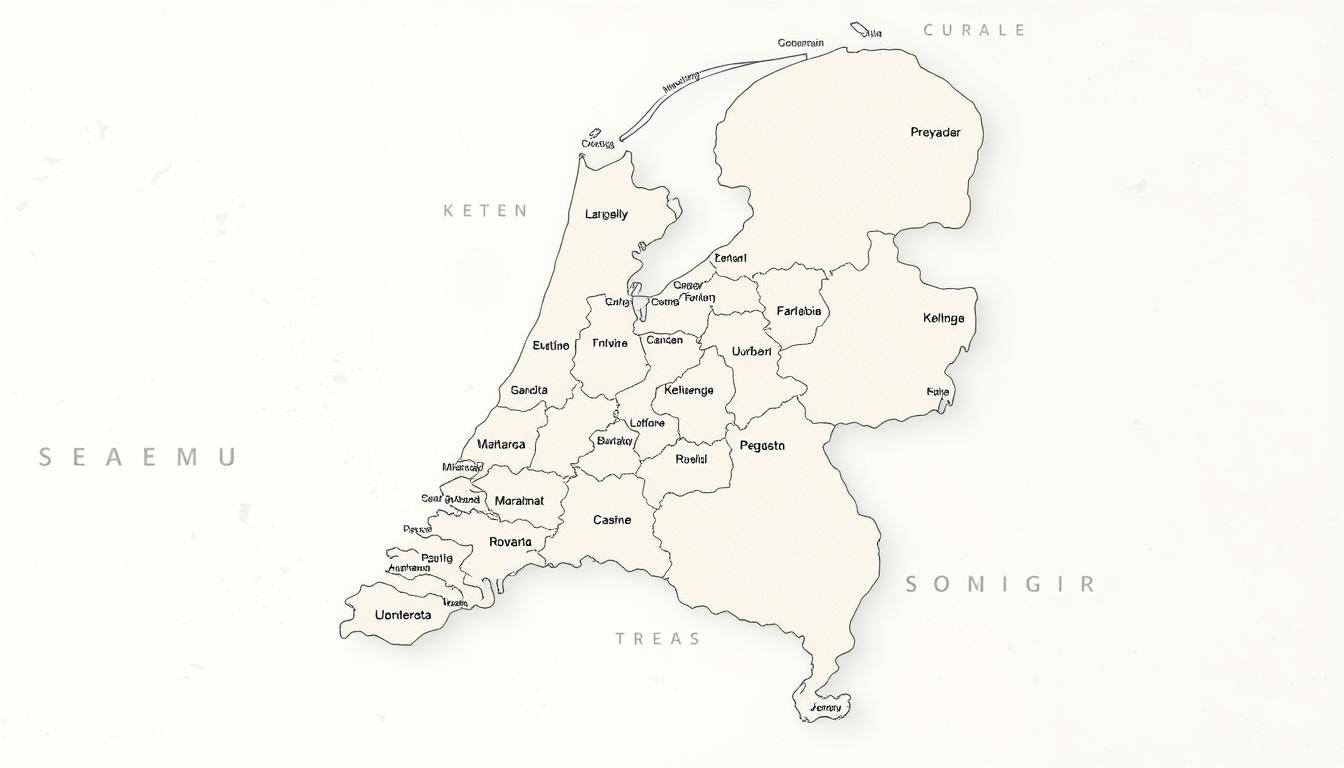
The 12 provinces of the Netherlands are Groningen, Friesland, Drenthe, Overijssel, Gelderland, Utrecht, Flevoland, North Holland, South Holland, Zeeland, North Brabant, and Limburg. A map illustrating these provinces provides a visual representation of their locations and boundaries.
| Province | Capital | Population |
|---|---|---|
| Groningen | Groningen | 586,855 |
| Friesland | Leeuwarden | 649,957 |
| Drenthe | Assen | 493,449 |
Provincial Governance Structure
The provincial governance structure in the Netherlands is characterized by a provincial council, known as the “Provinciale Staten,” which is directly elected by the inhabitants of the province. The council is responsible for making key decisions regarding the province’s budget, policies, and overall direction.
The executive power lies with the “Gedeputeerde Staten,” which is composed of members of the provincial council and is headed by the King’s Commissioner. This structure ensures that each province has a degree of autonomy while still being part of the national framework.
Northern Provinces of the Netherlands
Exploring the northern Netherlands reveals the distinct characteristics of Groningen, Friesland, and Drenthe. These provinces, while sharing some similarities, each have their own unique geography, economy, culture, and notable features.
Groningen
Groningen is known for its vibrant student population and rich history. As the largest city in the north, it serves as a cultural and economic hub.
Geography and Economy
Groningen’s geography is characterized by its coastal location and the presence of the Eems River. The province’s economy is driven by energy production, including natural gas.
Culture and Notable Features
The culture in Groningen is lively, with numerous festivals throughout the year. Notable features include the Martinitoren and the University of Groningen.
Friesland
Friesland is famous for its lakes, forests, and traditional culture. It’s a popular destination for water sports enthusiasts.
Geography and Economy
Friesland’s landscape is dominated by water, with many lakes and canals. The economy is driven by tourism, agriculture, and small-scale industry.
Culture and Notable Features
Friesland has a distinct culture, including its own language, Frisian. Notable features include the Elfstedentocht (Eleven Cities Tour) and the historic city centers.
Drenthe
Drenthe is known for its natural beauty, with extensive forests and heathlands. It’s a haven for outdoor enthusiasts.
Geography and Economy
Drenthe’s geography is marked by its relatively untouched natural landscapes. The economy is largely based on tourism and agriculture.
Culture and Notable Features
Drenthe has a rich cultural heritage, with many archaeological sites. Notable features include the hunebedden (dolmens) and the Drents Museum.
Here’s a comparative overview of the three provinces:
| Province | Capital | Main Economy Drivers |
|---|---|---|
| Groningen | Groningen City | Energy, Education |
| Friesland | Leeuwarden | Tourism, Agriculture |
| Drenthe | Assen | Tourism, Agriculture |
Eastern Provinces of the Netherlands
Exploring the eastern Netherlands reveals the provinces of Overijssel and Gelderland, areas rich in history and natural landscapes. These provinces are significant for their unique geographical characteristics, economic activities, and cultural heritage.
Overijssel
Overijssel is a province that boasts a diverse geography, from the wetlands of the Weerribben-Wieden area to the scenic Sallandse Heuvelrug national park.
Geography and Economy
Overijssel’s economy is driven by a mix of agriculture, manufacturing, and services. The province is known for its vibrant cities like Zwolle and Enschede.
Culture and Notable Features
The province is rich in cultural heritage, with numerous historical sites and events throughout the year. The city of Zwolle is known for its medieval architecture.
Gelderland
Gelderland is the largest province in the Netherlands, known for its varied landscapes, including forests, heathlands, and rivers.
Geography and Economy
Gelderland’s economy is diverse, with significant contributions from agriculture, forestry, and tourism. The province is home to the Veluwe, a large natural area.
Culture and Notable Features
The province has a rich cultural scene, with many castles, museums, and historical towns like Nijmegen and Apeldoorn.
| Province | Capital City | Notable Features |
|---|---|---|
| Overijssel | Zwolle | Sallandse Heuvelrug national park, Weerribben-Wieden wetlands |
| Gelderland | Arnhem | Veluwe natural area, Nijmegen historical town |
Central Provinces of the Netherlands
The central provinces of the Netherlands, comprising Utrecht and Flevoland, are regions of distinct character and importance. These provinces are not only significant for their historical and cultural heritage but also for their economic and geographical contributions to the country.
Utrecht
Utrecht is one of the most historically rich provinces in the Netherlands, known for its medieval architecture and vibrant cultural scene.
Geography and Economy
Utrecht’s geography is characterized by its central location, making it a hub for trade and commerce. The province’s economy is robust, with a strong focus on services and logistics.
- Strategic location facilitating easy access to other parts of the Netherlands
- Diverse economy with a strong service sector
Culture and Notable Features
Utrecht is renowned for its cultural attractions, including the iconic Dom Tower and the medieval city center.
“Utrecht’s city center is a treasure trove of history, with landmarks like the Dom Tower offering a glimpse into the Netherlands’ rich past.”
Flevoland
Flevoland, the youngest province of the Netherlands, was reclaimed from the IJsselmeer lake. It is known for its modern architecture and innovative approach to land use.
Geography and Economy
Flevoland’s geography is unique, being largely composed of reclaimed land. The province’s economy is diverse, with significant contributions from agriculture and renewable energy.
| Sector | Contribution |
|---|---|
| Agriculture | Significant |
| Renewable Energy | Growing |
Culture and Notable Features
Flevoland is home to a variety of cultural attractions, including modern art installations and historical museums.
Western Provinces of the Netherlands
The Western Provinces of the Netherlands, comprising North Holland and South Holland, are pivotal to the country’s cultural and economic landscape. These provinces are not only significant for their historical importance but also for their contemporary contributions to the Netherlands.
North Holland
North Holland is renowned for its diverse landscapes, from the bustling streets of Amsterdam to the serene countryside. The province is a major economic hub, with Amsterdam being a central point for international business and finance.
Geography and Economy
North Holland’s geography is varied, featuring the Wadden Sea to the north and the urban agglomeration around Amsterdam. The economy is driven by services, tourism, and logistics, with Amsterdam’s Schiphol Airport being one of Europe’s busiest.
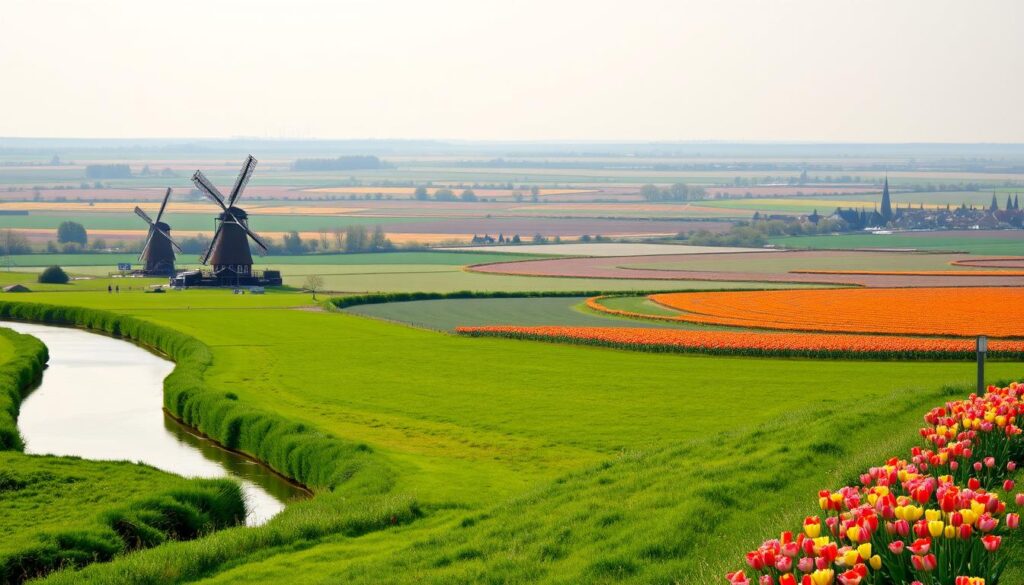
Amsterdam, the capital city, is famous for its cultural heritage, including the Rijksmuseum and the Anne Frank House. The city’s canals, historic architecture, and vibrant cultural scene make it a global tourist destination.
South Holland
South Holland is another economically vital province, known for its dense population and industrial activities. The province is home to Rotterdam, one of Europe’s largest ports, and The Hague, the seat of the Dutch government.
Geography and Economy
South Holland’s geography is characterized by its coastal areas and urban centers. The economy is robust, driven by the port of Rotterdam, industrial zones, and a strong service sector.
Culture and Rotterdam Highlights
Rotterdam is celebrated for its modern architecture, maritime heritage, and cultural institutions like the Kunsthal art museum. The city’s port is a significant economic driver, not just for the province but for the entire Netherlands.
The western provinces of North Holland and South Holland together form a dynamic region that is crucial to the Netherlands’ identity, economy, and culture. Their contributions range from economic activities to cultural heritage, making them indispensable to the country’s overall landscape.
Southern Provinces of the Netherlands
In the south of the Netherlands lie Zeeland, North Brabant, and Limburg, provinces that boast rich histories, vibrant cultures, and diverse landscapes. These southern provinces are not only significant for their historical contributions but also for their unique geographical features and cultural heritage.
Zeeland
Zeeland, known for its coastal landscape and islands, is a province that has significantly contributed to the maritime history of the Netherlands.
Geography and Economy
Zeeland’s geography is characterized by its coastline along the North Sea and its islands. The province’s economy has historically been driven by fishing and maritime activities. As a significant tourist destination, Zeeland’s economy also benefits from its natural beauty and historical sites.
Culture and Notable Features
Zeeland is rich in cultural heritage, with numerous historical sites and festivals celebrating its maritime past. “The struggle against the sea has shaped the identity of Zeeland,” as noted by local historians, highlighting the province’s resilience and adaptation to its marine environment.
North Brabant
North Brabant is a province known for its vibrant cultural scene and significant historical contributions to the Netherlands.
Geography and Economy
The geography of North Brabant is diverse, ranging from sandy soils to more industrial areas. The province has a strong economy, driven by industries such as manufacturing and logistics, benefiting from its strategic location.
Culture and Notable Features
North Brabant is celebrated for its cultural events, including festivals that showcase its rich heritage. The province is also home to numerous historical sites, reflecting its importance in Dutch history.
Limburg
Limburg, with its unique cultural identity and historical significance, stands out among the southern provinces.
Geography and Economy
Limburg’s geography is characterized by its rolling hills and the Meuse River. The province’s economy is driven by a mix of industries, including manufacturing and tourism, with its natural beauty and historical sites being major attractions.
Culture and Notable Features
Limburg is known for its distinct cultural identity, including its language and traditions. The province celebrates numerous cultural festivals, and its cuisine is renowned for its unique flavors and dishes.
The southern provinces of Zeeland, North Brabant, and Limburg collectively contribute to the rich tapestry of Dutch culture and history, each bringing their unique characteristics to the forefront.
Historical Development of Dutch Provinces
The Netherlands’ current provincial structure has roots in historical developments dating back centuries. The country’s geography and strategic location have played significant roles in shaping its provinces.
From Medieval Counties to Modern Provinces
The origins of the Dutch provinces can be traced back to medieval counties and bishoprics. Over time, these territories evolved and were consolidated into the provinces we recognize today.
- The medieval counties of Holland, Gelderland, and Utrecht were among the earliest formations.
- The influence of the Holy Roman Empire and the role of the nobility shaped these early territories.
Key Historical Changes
Several key events have influenced the development of the Dutch provinces. The Eighty Years’ War and the subsequent Dutch Golden Age were pivotal in shaping the nation’s territorial boundaries and provincial governance.
- The Treaty of Westphalia in 1648 marked a significant turning point, recognizing Dutch independence.
- The French occupation during the Napoleonic Wars led to further territorial adjustments.
How Provincial Borders Evolved
The borders of the Dutch provinces have evolved significantly over the centuries, influenced by wars, treaties, and economic factors. The modern provincial borders were largely established in the 19th century.
- The creation of new provinces like Flevoland in 1986 reflects ongoing changes in the country’s geography and population.
- Provincial borders continue to be relevant for administrative and cultural purposes.
The Role of Provinces in Dutch Governance
Understanding the role of provinces is essential to grasping how the Netherlands is governed at a local level. The provinces play a vital part in the country’s administrative and political landscape.
Administrative Functions
Provinces in the Netherlands are responsible for various administrative functions. These include managing regional infrastructure, overseeing environmental policies, and coordinating with municipalities on local issues. For instance, provinces are involved in planning and maintaining regional roads and public transport systems.
Political Representation
Provinces also have a significant role in political representation. They are represented in the Provincial Council, known as the Provinciale Staten, which is directly elected by the residents of the province. The council has the power to make decisions on provincial matters and oversees the provincial executive.
Current Challenges and Developments
Currently, Dutch provinces face several challenges, including adapting to climate change, managing population growth, and addressing regional economic disparities. Provinces are working on initiatives to promote sustainable development and improve regional connectivity. For example, they are involved in projects to enhance green infrastructure and support local economies.
The role of provinces in Dutch governance is multifaceted, involving both administrative and political responsibilities. As the Netherlands continues to evolve, the provinces will remain crucial in addressing regional needs and contributing to the country’s overall development.
Experiencing the Diversity of the Netherlands
The Netherlands is a country that boasts a rich tapestry of cultural, geographical, and historical diversity, all of which are beautifully encapsulated within its 12 provinces. From the vibrant city life of North Holland and South Holland to the serene landscapes of Friesland and Groningen, each province offers a unique experience.
As you explore the Dutch diversity, you’ll discover the distinct charm of every region. The eastern provinces of Overijssel and Gelderland offer a glimpse into the country’s medieval past, while the central provinces of Utrecht and Flevoland showcase a blend of historical significance and modern innovation.
Experiencing the Netherlands is not just about visiting its famous cities; it’s about immersing yourself in the cultural diversity that defines this beautiful country. Whether you’re drawn to the culinary delights of Limburg, the maritime heritage of Zeeland, or the artistic treasures of North Brabant, there’s something for everyone in the Netherlands.
As you plan your trip, consider the diverse landscapes, cultural events, and historical landmarks that make each province special. The Netherlands invites you to explore its rich heritage and discover the many facets of Dutch culture.


